


On Aug. 14, 2006, a United Nations-brokered ceasefire went into effect and ended the Second Lebanon War and 34 days of fighting between Israel and the Iranian-backed Hezbollah terrorist organization.
While the battles inside Lebanon were over and the Israel Defense Forces had pulled back to Israeli territory, for many of the Israeli reservists—around 100,000 were called up then—their fight was not yet over.
Thousands of them set up a tent city opposite the Knesset and declared that they would not move until the prime minister at the time, Ehud Olmert, resigned. While it would take two-and-a-half years for Olmert to finally leave office, the reservist protests forced him to establish a state commission of inquiry which found him personally responsible for the failures of the war.
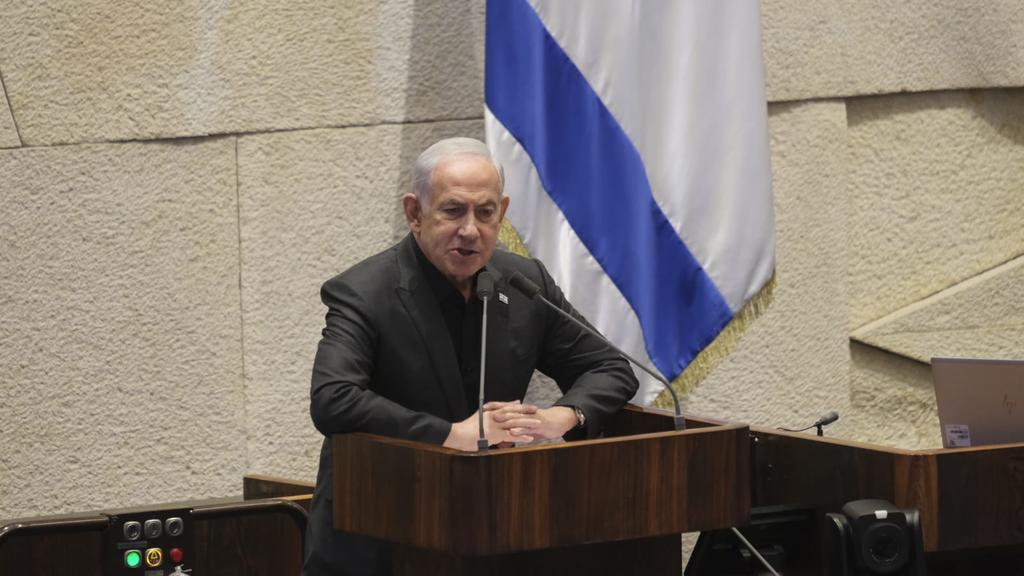
The events of 2006 are being revisited among the current crop of IDF reservists deployed in the south against Hamas and in the north guarding against potential threats from Hezbollah. Many are contemplating a similar course of action, this time aimed at toppling Prime Minister Benjamin Netanyahu.