
מאמרים
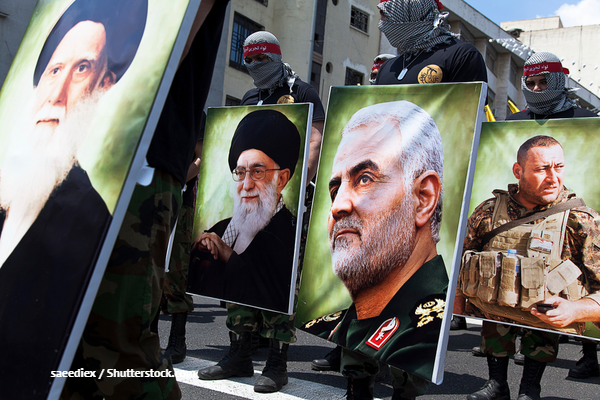
The real story of the Iran war: the strengthening of the Israel-Gulf alliance
The Iron Doom battery Jerusalem sent to the UAE, reportedly along with IDF troops, underscores a new reality. Arab countries understand there is only one country in the region that is both willing and capable of acting against a common threat



Additional Publications
Opinion Articles
Opinion Articles
The Threat of War Is the Only Way to Achieve Peace with Iran
Tehran no longer takes Washington seriously, so the Biden administration needs to put the prospect of military escalation back on the table if it hopes to make progress on the nuclear issue.

In the Media
In the Media
Climate action in Israel as a bridge for Jewish peoplehood
The environment is a unifying issue and bold new joint initiatives between Israel and Diaspora Jews should be created and feature prominently on the Jewish agenda
Opinion Articles
Opinion Articles
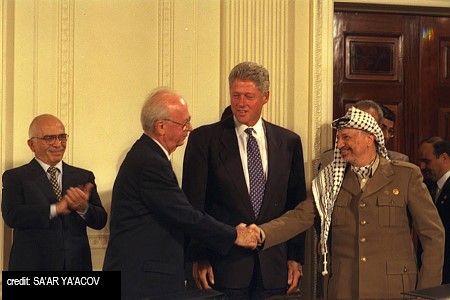
Is Israeli-Palestinian peace a dream for the naive?
Many Israelis are convinced that Palestinians are incapable of abandoning their principle of denying Israel's right to exist.

In the Media
In the Media
Why won’t Sally Rooney allow her latest novel to be translated into Hebrew by an Israeli publisher?
Along with the rise in derogatory cries and aggression against Jews, there is a rise in hostility towards Israel and support for a boycott. It is difficult not to see these things as two sides of the same coin.

Opinion Articles
Opinion Articles
Environmental Protection is a Jewish Matter of Life and Death
As long as rabbis see climate issues as marginal to their religious thinking, Israel's policy will continue to neglect these critical threats to human lives

Opinion Articles
Opinion Articles
High Court Judge Selection is Critical in Israel’s Culture War
The identity of the justices to be appointed is critical to the country’s future, as the court is a key player in the Israeli culture war.

Opinion Articles
Opinion Articles
Who’s In Favor of the Kashrut Reform? Those Who Don’t Much Care About Kashrut
Good or bad, Kahana's reform hasn't won over its primary target audience; its supporters are actually those who don't observe the kashrut laws. Let's start by expressing a measure of suspicion. Not regarding one party, but rather two: The Ministry of Finance and the Ministry of Religious Services claim that the kashrut reform plan presented to the Knesset by Minister…

Opinion Articles
Opinion Articles
The Secular in Israel Must Enter the Jewish Arena
In the current equation, the religious and the Haredim are "responsible" for defining what is "Jewish" in the Jewish state, and the secular and the religious alike quarrel over the meaning of "democracy." This is a fundamentally distorted equation.

Opinion Articles
Opinion Articles
Beyond Naming and Shaming: New Strategies Needed to Combat Antisemitism
In contextualizing the growth of antisemitism in the larger context of intensified racism and hate, we communicate the readiness of Jewish leadership to join with other ethnic and religious groups to heal the social fabric of America.